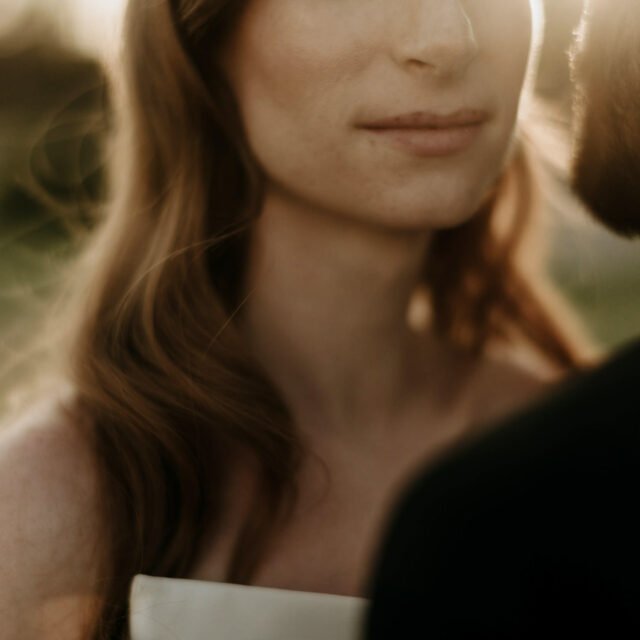

For a long time, the ideal image of a wedding was associated with bright spaces, pale flowers, pastel tones, and large amounts of white. That aesthetic still has its place, but it is now sharing the stage with a very different direction.
Moody weddings embrace the shadows.
Burgundy, plum, wine, forest green, midnight blue, chocolate, and black appear alongside candles, aged metals, deep-toned florals, and lighting that avoids turning every corner into a uniformly bright space.
This is not an exclusively gothic aesthetic. In fact, some of its most interesting interpretations are far from it. Depending on the architecture, materials, and lighting, the concept can feel romantic, sophisticated, contemporary, or even classic.
The appeal lies in creating depth, intimacy, and visual character without relying on traditional bright wedding palettes.
What Makes a Wedding Feel Moody?
Darkness alone does not create this aesthetic.
A dimly lit reception can simply be a poorly lit reception. The moody effect appears when color, materials, lighting, and architecture work together.
Burgundy can sit beautifully beside dark wood. Deep green works particularly well with stone. Velvet absorbs light differently from linen. Smoked glass creates subtler reflections than conventional clear glassware.
Candles are especially important because they introduce small areas of warm light within the shadows. Tall tapers, candelabras, pillar candles, and low-intensity lamps can create depth without illuminating everything equally.
That contrast is what separates a moody wedding from one that simply uses dark colors.
There Is Much More to It Than Black
Associating a dark wedding only with black greatly limits the possibilities.
A palette can be built around wine and dusty rose, combine plum with olive green, or use deep browns with muted gold. Lighter tones can also be introduced in small amounts to keep every element from carrying the same visual weight.
Some particularly effective combinations include:
• Burgundy, antique rose, and brass
• Plum, olive, and cream
• Chocolate, terracotta, and amber
• Forest green, black, and aged gold
• Midnight blue, wine, and ivory
• Deep red, wood, and smoked glass
Flowers do not need to approach black either. Dahlias, wine-colored roses, dark foliage, and reddish blooms can create depth while preserving a clearly romantic feel.
The goal is to work with tones that have richness and dimension without making the result feel overly themed or literal.
The Venue Can Do Half the Work
Certain spaces naturally complement moody weddings.
Haciendas, historic homes, old hotels, former industrial spaces, wooden interiors, stone walls, and enclosed courtyards can provide depth before a single flower is added.
Mexico offers a particular advantage because many venues already contain materials with strong visual character. Volcanic stone, cantera, clay, aged wood, tile, and historic walls respond beautifully to warm, controlled lighting.
The same aesthetic can also work within contemporary architecture. In those settings, the contrast between clean lines and a deeper palette can create a more editorial result.
It is worth observing what the venue already offers before covering it with décor.
Sometimes an aged wall, a dramatic staircase, or an old window is already enough to anchor the composition.
Lighting Defines Much More Than Color
Lighting deserves attention from the beginning of a moody wedding design.
Décor built around burgundy, green, and brown can look extraordinary under warm light and completely different under overly bright white fixtures.
Candles help, but they should rarely be the only available light source. Ambient lighting can highlight tables, architecture, florals, or circulation areas while allowing other zones to remain deliberately darker.
The most interesting results often come from using different levels of light.
This also allows the wedding to evolve visually throughout the day.
A ceremony may begin with natural light, move into cocktail hour at sunset, and end with a reception where candles and focused lighting completely transform the venue.
That transition can be visually powerful.
Why Moody Weddings Can Be Extraordinary in Photography
Photography depends on light, but it does not always require a large amount of it.
Shadows can also build an image.
In this kind of wedding, they can isolate expressions, create depth, shape silhouettes, or direct attention toward smaller illuminated areas.
Dark tones also change the relationship between people and their surroundings. A light-colored wedding dress has a very different presence against a deep wall. Skin illuminated by candlelight can stand out naturally without erasing the environment around it.
The party introduces other possibilities. Direct flash, movement, reflections, and colored lights can push the coverage toward a more nocturnal, editorial language.
The goal should not be to brighten every photograph until the wedding no longer looks like the place the couple actually chose.
Sometimes preserving the shadows is part of preserving the character of the celebration.
Video Can Make Even More of That Transformation
Moody weddings have a particularly cinematic quality because the light is constantly changing.
A flame moves. People walk through illuminated areas and disappear back into shadow. Glassware catches small points of light. An open doorway can reveal a completely different environment beyond it.
Video can use these transitions to reveal the space gradually.
Sound also plays an interesting role. A candlelit dinner, conversations around the tables, music, and the atmosphere of a nighttime reception can create a much more immersive feeling when image and audio work together.
That means this aesthetic can influence far more than the color palette.
It can help define the tone of the entire wedding film.
Dark Does Not Have to Mean Serious
This is one of the most common misconceptions about moody weddings.
A celebration can have dark walls, candles, wine-colored flowers, and an intimate dinner, then turn into a completely euphoric dance floor a few hours later.
The visual environment does not determine how the guests behave.
In fact, the contrast can be one of the most interesting parts of the celebration: a restrained ceremony, a warm and elegant dinner, followed by a party filled with flash, music, and movement.
The aesthetic provides the setting.
The people create what happens within it.
An Alternative for Couples Looking for Something Less Predictable
Moody weddings can be especially appealing to couples drawn to nighttime interiors, cinema, fashion, historic architecture, candlelit dinners, and deeper color palettes.
They also offer a way to move away from certain traditional wedding codes without giving up romance.
The entire wedding does not need to become a dark production. This aesthetic can be concentrated around dinner, used mainly during the nighttime reception, or introduced through deeper colors within a venue that receives plenty of natural light.
That flexibility is part of its appeal.
The strongest interpretation will be the one that responds to the venue, the season, and the couple’s own taste, even when it does not match exactly what appears under the label “moody wedding” on social media.
Why Choose Us?
Photographing a wedding where shadows are part of the design requires understanding them before trying to correct them.
At AVMF, we aim to preserve the true character of each space and work with the lighting, architecture, and colors the couple chose for their celebration. In a moody wedding, that means using contrast and depth while keeping people and emotion at the center of the coverage.
Photography and video can take on a more editorial language when the setting invites it, without losing the spontaneity of what is actually happening throughout the day.
If you are planning a wedding in Mexico with an intimate, nocturnal, or cinematic aesthetic, our role is to translate that atmosphere into images that preserve its visual richness without making the celebration look like something it was not.