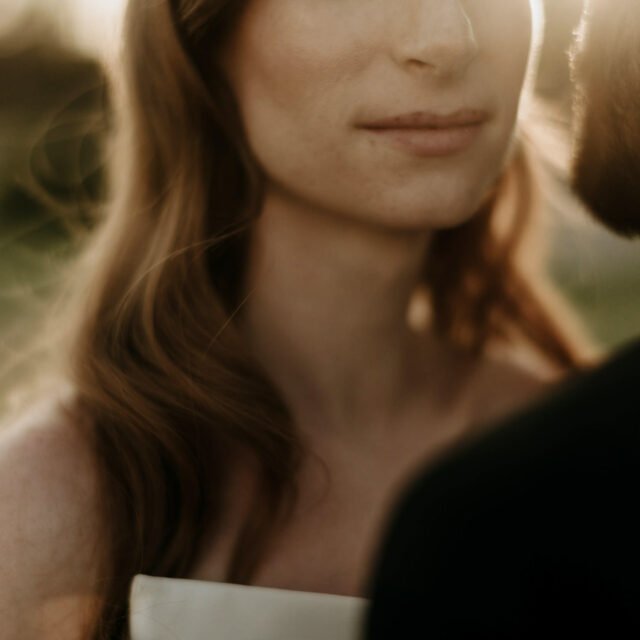

Choosing your wedding venue is not only about finding a beautiful place.
It is about deciding where everything will happen.
It is where you will get ready, walk into the ceremony, embrace your family, share dinner with the people you love, dance, listen to speeches, and experience the moments that will later become part of your photographs and videos.
The venue influences the atmosphere, logistics, budget, guest comfort, lighting, décor, and the overall rhythm of the celebration.
A place can look spectacular on social media and still be the wrong fit for your wedding. It may be beautiful but uncomfortable. It may have impressive architecture but no reliable rain plan. It may offer an extraordinary view while making access, setup, or the guest experience unnecessarily difficult.
That is why, before falling in love with a photograph, it is worth looking at the venue more carefully.
The best choice is not always the largest, most famous, or most expensive venue.
It is the one that understands the wedding you want to experience.
1. First, define the kind of wedding you want
Before visiting venues, you need a clear idea of the experience you are looking for.
You do not need to know every detail of the décor yet, but it helps to define the general tone.
Do you want an intimate wedding or a large celebration?
Would you prefer a city, beach, hacienda, garden, forest, vineyard, or hotel setting?
Are you looking for something classic, modern, relaxed, elegant, or highly produced?
Do you want the ceremony and reception in the same place?
Will it be a local wedding or a destination wedding?
These answers will help you rule out spaces that may be beautiful but are not right for you.
A couple planning an intimate and sophisticated dinner probably does not need an enormous ballroom. A wedding with hundreds of guests requires access points, bathrooms, parking, and service areas that a smaller space may not be able to provide.
The venue should support your vision.
It should not force you to change it completely.
2. Consider the location and access
The location can directly affect the guest experience.
A remote venue may offer privacy, nature, and extraordinary scenery, but it may also require transportation, accommodation, signage, and more careful logistics.
A venue in the city may be more accessible, although traffic, parking, schedules, and noise restrictions must be considered.
Before deciding, review:
• Actual travel time
• Parking availability
• Guest transportation
• Nearby accommodation options
• Accessibility for older guests or people with limited mobility
• Road conditions
• Arrival and departure times
• Safety in the area
It is also important to think about the trip back.
After several hours of celebration, guest comfort and safety matter greatly. If the venue is far away, arranging transportation or choosing nearby accommodation may be worthwhile.
An extraordinary venue can lose some of its charm if arriving and leaving becomes complicated.
3. Review the real capacity, not only the advertised number
Many venues advertise a maximum capacity.
But “300 people fit” does not always mean 300 guests will be comfortable.
The real capacity depends on the type of layout, table size, dance floor, stage, production, bar, circulation areas, and the space required for the service team.
A venue that is too large can make an intimate wedding feel empty. One that is too small can make the reception feel crowded, warm, or difficult to move through.
When you visit the venue, imagine the complete event:
Where will the ceremony take place?
Where will cocktail hour happen?
How will the tables be arranged?
Will there be enough room to dance?
Will guests be able to move comfortably?
Will the photography and video team be able to work without interrupting?
The wedding should not feel crowded or lost inside the venue.
It should feel balanced.
4. Observe the architecture, lighting, and visual backgrounds
The venue will have a major presence in the photographs and video.
That is why it is important to look beyond the décor prepared for tours.
Observe the walls, ceilings, windows, floors, gardens, hallways, rooms, staircases, and views. Think about which elements will remain visible even when the flowers, furniture, or color palette change.
Lighting is also essential.
A venue can look completely different in the morning, afternoon, and evening. A terrace that feels spectacular at midday may be too intense for the ceremony. An elegant ballroom may become very dark if the lighting design is not handled properly.
During the visit, review:
• The direction of the sun
• Shaded areas
• Interior lighting
• Spaces for portraits
• Backgrounds behind the ceremony
• Getting ready areas
• Lighting during dinner
• Dance floor conditions
A good venue does not need to offer a photo opportunity in every corner.
But it should provide spaces where the story can be documented with coherence, beauty, and freedom.
5. Confirm the backup plan for rain, wind, or cold weather
A backup plan should not feel like an improvised solution.
It should be a space you also like.
This is especially important for gardens, beaches, terraces, haciendas, forests, and destination weddings. Even if the date has historically favorable weather, conditions can change.
Ask what happens if it rains, the wind becomes strong, temperatures drop, or the ground becomes difficult to use.
The alternative space should have enough capacity, proper lighting, good ventilation, and a functional layout.
It is also important to know when the decision to change the setup must be made and who is responsible for making it.
A responsible venue should have a clear procedure.
The couple should not spend the hours before the ceremony discussing where to move the tables or waiting for someone to decide what to do.
Peace of mind is also part of choosing well.
6. Ask about restrictions, services, and additional costs
The advertised price rarely tells the whole story.
Some venues include furniture, staff, cleaning, security, or internal coordination. Others charge separately for each element.
Before signing, ask for a clear explanation of what the rental includes and what will have an additional cost.
It is worth asking about:
• Setup and breakdown hours
• Included furniture
• Required vendors
• Corkage fees
• Kitchen and catering
• Backup power
• Security and cleaning
• Overtime charges
• Sound restrictions
• Drone use
• Candles, fireworks, or special effects
• Photography and video permits
• Rooms or getting ready areas
Also review whether the venue requires the use of certain vendors.
This can make operations easier, but it can also limit options or increase the budget.
It is not enough to know how much it costs to rent the venue.
You need to know how much it will cost to hold the wedding you are actually imagining.
7. Visit the venue under conditions similar to your wedding
Whenever possible, visit the venue at a time close to when the celebration will take place.
A venue toured in the morning can feel completely different at sunset. Lighting, temperature, traffic, noise, and the presence of other events can all change the experience.
It is also helpful to ask for photographs of real setups with a guest count similar to yours.
Do not look only at the largest or most spectacular productions. Look for examples that resemble your wedding.
During the visit, walk through the entire guest journey.
From arrival to the ceremony, cocktail hour, dinner, bathrooms, dance floor, and departure. Imagine how people will move and where bottlenecks may form.
A venue should work well when it is full.
Not only when it is empty during a sales tour.
8. Do not decide only because of the first impression
It is easy to fall in love with a venue within the first few minutes.
A view, façade, garden, or ballroom can create an immediate reaction. That emotion matters because the venue should excite you.
But after the first impression, the practical reality must be reviewed.
Compare several options using the same criteria: total cost, capacity, access, backup plan, restrictions, schedules, services, lighting, and comfort.
Also pay attention to how you feel when speaking with the venue team.
Do they answer clearly?
Do they know the space well?
Are they flexible?
Is communication easy?
Do they inspire trust?
The venue is not only a building.
It is also a team you will work with for months and that will have important responsibilities on the wedding day.
The beauty of the place should be supported by professionalism.
The right venue should feel like part of who you are
The best location is not necessarily the one that impresses the guests the most.
It is the one that makes the wedding feel meaningful.
It may be a historic hacienda, a terrace in the city, a private home, a hotel by the sea, a family garden, or a contemporary space with clean lines.
What matters is that the venue supports the couple rather than overshadowing them.
It should allow you to feel comfortable, welcome your guests well, and create a celebration that reflects the way you live, love, and share.
When the right venue appears, it does not only look beautiful.
It feels possible.
Why Choose Us?
At AVMF, the venue is understood as an essential part of the visual story of every wedding.
The architecture, lighting, movement through the space, landscape, and rhythm of the venue directly influence photography and video. That is why the team observes every location carefully, seeking to understand how it will transform throughout the day and how it can become part of the couple’s memory.
AVMF works in coordination with planners, venues, and vendors to protect the timeline, anticipate lighting conditions, and make the most of every space without interrupting the experience.
The intention is not to turn the venue into the absolute protagonist, but to allow it to support the emotion, identity, and story of the couple.
If you are choosing your wedding venue and want that space documented through an editorial, sensitive, and deeply human perspective, AVMF will be honored to accompany you.
Because choosing the right place changes the wedding.
And it also changes the way it will be remembered.