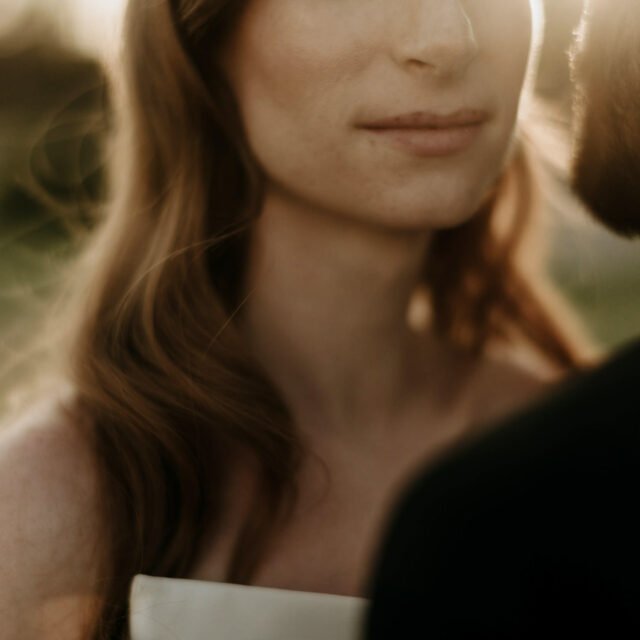

Hiring a good photography and video team is one of the most important decisions you will make for your wedding.
But the final result does not depend only on the cameras, the team’s experience, or the editing.
It is also deeply connected to the decisions the couple makes before the event: the schedule, the place where they will get ready, the amount of time available, communication with the team, lighting, guests, and even the order of certain activities.
This does not mean turning the wedding into a production or spending the entire day thinking about photographs.
It means avoiding situations that can limit the visual story without the couple realizing it until they receive the final delivery.
A wedding happens only once. The first embrace, the vows, the family’s reactions, the ceremony entrance, and the beginning of the celebration cannot be repeated with the same honesty.
That is why it is worth thinking ahead.
1. Creating a timeline that is too tight
A highly detailed schedule may seem like a sign of good organization.
However, when every activity begins immediately after the previous one, any delay affects everything that follows.
Hair and makeup may take longer than expected. The dress may need adjustments. Traffic can complicate the transfer. A family member may arrive late. The ceremony may begin a few minutes behind schedule.
When there is no margin, photographs have to be made in a rush, and the video loses transitional moments that help tell the story.
The couple may also begin to feel as though they are running behind their own wedding.
How to avoid it
Include space between the main moments.
The getting ready should allow enough time to document details, emotions, and portraits without pressure. Transfers should consider traffic and access. The couple’s session needs a real place in the schedule.
A good timeline does not fill every minute.
It protects the moments that matter.
2. Booking fewer hours of coverage than the wedding requires
Reducing coverage hours may seem like a simple way to protect the budget.
But coverage that is too short can leave essential parts of the story undocumented.
When the team arrives too late, the preparations, details, and family reactions may be lost. If the team leaves too early, the speeches, dinner atmosphere, first dance, or the moment when the party finally reaches its best energy may not be preserved.
Not every wedding needs the same number of hours. But the coverage should respond to the real event, not only to the most attractive price.
How to avoid it
Before choosing a package, review the full timeline.
Do you want to preserve the getting ready?
Will there be a first look?
Will the ceremony and reception take place in different locations?
When will the speeches happen?
Do you want photography and video of the party?
The right coverage should tell the day from a meaningful beginning to a natural ending.
3. Getting ready in a dark, small, or cluttered space
The getting ready is the first visual chapter of many weddings.
It is where nerves, details, family, friends, and the feeling that something important is about to begin all come together.
However, the room is often selected without considering light or space.
A very dark room filled with luggage, bags, clothing, boxes, and too many people can make both photography and video more difficult. It also limits the team’s movement and can make the atmosphere feel more chaotic.
You do not need an enormous suite or an extravagant space.
You need a functional one.
How to avoid it
Choose a room with windows, natural light, and enough space to move comfortably.
Before the preparations begin, remove unnecessary objects and place bags, packaging, and extra clothing in a specific area.
It also helps to limit the number of people present during certain moments.
A calm and organized space allows emotion to stand out more than visual clutter.
4. Not reserving time for couple portraits
Many couples want portraits that feel natural, elegant, and emotional.
But sometimes they do not reserve any time to create them.
They expect the photographs to happen spontaneously between the ceremony, greetings, cocktail hour, family portraits, and the reception entrance.
The result may be a rushed session, unfavorable light, or a couple who is worried about reaching the next activity on time.
Making time for couple portraits does not mean disappearing for an hour or abandoning the guests.
In many cases, a few well-planned minutes are enough.
How to avoid it
Reserve a specific moment within the timeline.
It can happen after the ceremony, during cocktail hour, or near sunset. The duration will depend on the venue, logistics, and wedding style.
If the venue is large or includes several locations, internal travel time should also be considered.
When the couple has time to breathe, the images usually feel more natural.
5. Failing to communicate important moments, people, or surprises
The photography and video team is constantly observing.
But it cannot anticipate information that was never shared.
When there will be a surprise, gift, family tradition, unscheduled speech, special entrance, or person with great emotional importance, the team should know beforehand.
Otherwise, the team may be documenting another moment or standing in the wrong position when it happens.
The same applies to family photographs.
Expecting everyone to gather spontaneously often creates delays, confusion, and incomplete groups.
How to avoid it
Before the wedding, share a short list of priorities.
It should not be an endless list of exact photographs. It is enough to explain which people, traditions, or situations have special meaning.
For family portraits, prepare the essential group combinations and assign someone to help gather the right people.
Good communication allows the team to be prepared without making the coverage feel rigid.
6. Allowing phones during key moments
Phones can affect the images much more than most people expect.
During the ceremony entrance, some guests lean into the aisle, raise their arms, or place glowing screens in front of the couple. During the first kiss, a device can block the main angle. During the vows, guests’ reactions disappear behind their phones.
This affects both photography and video.
The team can change position, but another clean angle does not always exist. Some moments happen only once.
How to avoid it
An unplugged ceremony is a simple solution.
The couple can ask guests to put their phones away during the ceremony and allow them again during cocktail hour and the party.
The request can be included in the invitation, displayed on a sign, and announced before the ceremony begins.
The intention is not to prevent people from preserving memories.
It is to allow guests to remain present and give the professional team the freedom to work without obstacles.
7. Choosing only by price without reviewing style, experience, and process
The budget always matters.
But choosing photography and video only by price can create a major difference between what the couple imagines and what they eventually receive.
Two teams may offer the same number of hours, photographs, and video minutes, but have completely different styles, processes, and levels of experience.
A couple may also hire a highly posed style when they wanted something natural, or dramatic editing when they preferred a timeless result.
Regret often appears when expectations were never clear.
How to avoid it
Before hiring, review complete galleries and longer video examples.
Do not rely only on the best social media posts.
It is also important to ask about the process, delivery, audio, backups, coordination, and the way the team works during the wedding.
Personal trust matters as much as the portfolio.
The couple should feel that the team understands their style, listens to their priorities, and can accompany the day without invading it.
The final result is also built before the wedding
Good photographs and a good wedding film do not begin only when someone presses a button.
They are built through time, communication, light, trust, and conscious decisions.
This does not mean organizing the wedding around the cameras.
Photography and video should adapt to the experience, not control it.
But when certain details are considered from the beginning, the team can work with greater freedom and the couple can experience the day with less pressure.
The difference can be felt in the final result.
In images with more emotion.
In a more complete story.
In voices that are carefully preserved.
In moments that do not feel rushed.
In a memory that truly resembles what was lived.
Why Choose Us?
At AVMF, photography and video are treated as two languages that form one complete memory.
Photography preserves individual moments. Video keeps movement, voices, atmosphere, and the rhythm of the day. For both to work with real strength, the team accompanies the couple before the wedding, reviewing timing, spaces, light, and important moments.
AVMF works through an editorial, documentary, and deeply human perspective. The intention is not to turn the celebration into an endless photo session, but to document what happens with sensitivity and provide direction only when it is truly needed.
The team works alongside planners, venues, and vendors to anticipate details, respect the experience, and care for every moment without invading it.
If you are planning your wedding in Mexico and want photography and video that reflect your story with beauty, emotion, and truth, AVMF will be honored to accompany you.
Because the most important memories cannot be repeated.
But they can be protected from the beginning.